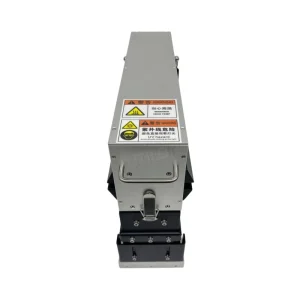
air cooled uv led curing system is an important search term because buyers are usually not looking for a generic lamp. They are trying to solve a curing problem in a real production process. This guide explains how air cooled uv led curing system fits industrial applications, what parameters should be checked before purchase, and what information helps a supplier recommend the right UV LED curing solution.
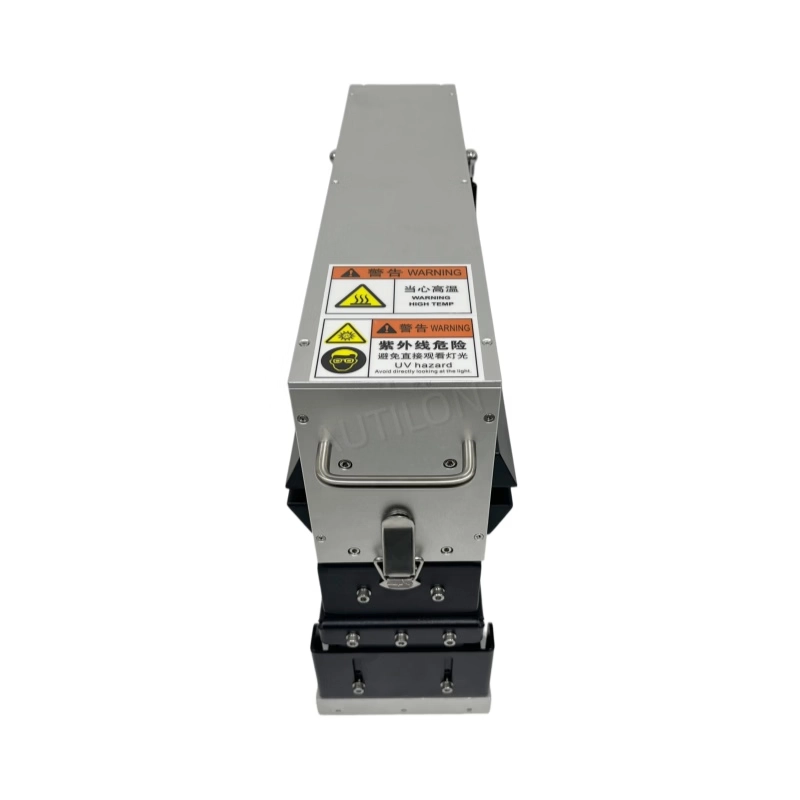
Where air cooled uv led curing system Is Used
Air-Cooled vs Water-Cooled UV LED Curing Systems is relevant to industrial printing, coating, adhesive, repair, and manufacturing processes that require stable ultraviolet curing. In these applications, the curing result depends on more than lamp power alone. The material chemistry, photoinitiator absorption, conveyor speed, coating thickness, working distance, and cooling design all affect whether the final surface is fully cured, tack-free, and stable.
For many factories, UV LED curing is attractive because it can reduce warm-up time, lower heat on the workpiece, and make curing output easier to control. A properly selected air cooled uv led curing system can also help production teams reduce rework when they move from sampling to continuous manufacturing.
Key Parameters Buyers Should Compare
When evaluating air cooled uv led curing system, start with wavelength. Common industrial UV LED wavelengths include 365nm, 385nm, 395nm, and 405nm. The correct choice depends on the ink, adhesive, varnish, coating, or resin being cured. A lamp with high power but the wrong wavelength may still produce poor curing.
Next, compare irradiance, curing width, exposure time, and working distance. Irradiance describes the UV power reaching a surface, while exposure time is controlled by conveyor speed or manual operation. Curing width must match the product size, and working distance affects both intensity and uniformity. Cooling is also important because high-power UV LED lamps need stable heat management to maintain output and service life.
Benefits of UV LED Curing
A well-matched air cooled uv led curing system can improve production speed because UV LED output is available almost instantly. Compared with traditional mercury UV lamps, LED systems usually generate less infrared heat, need less routine maintenance, and can be switched on or off according to the production cycle. This is useful for intermittent work, small batches, and automated lines.
Another benefit is process stability. Once wavelength, distance, and exposure are confirmed, operators can repeat the same settings more easily. For buyers, this means the purchasing decision should focus on application fit instead of only comparing wattage or price.
Common Selection Mistakes
The most common mistake is choosing a air cooled uv led curing system only by nominal power. Power is useful, but it does not describe the energy that reaches the material. Buyers should also ask about optical design, curing area, lamp distance, cooling method, and whether the supplier can support application testing.
Another mistake is ignoring material compatibility. UV inks, adhesives, and coatings are formulated for specific wavelength ranges. Before ordering, confirm the recommended wavelength with the material supplier or send samples for testing. This step is especially important when replacing a mercury lamp with a UV LED curing lamp.
How to Prepare an Inquiry
To receive an accurate recommendation for air cooled uv led curing system, prepare the material type, current curing problem, required curing width, expected line speed, available installation space, working distance, and preferred wavelength if known. Photos or videos of the production line are also helpful.
Prouvled can review these details and suggest a suitable UV LED curing lamp, portable UV LED light, UV LED spot light, or customized curing system. The goal is to match the lamp to the process, not force the process to match a standard lamp.
Related Prouvled Resources
Further Reading
For general background on the curing process, see this overview of UV curing. For product selection, the most reliable next step is still to test the actual material under the expected production conditions.
Practical Testing Checklist
Before approving a air cooled uv led curing system for production, run a simple but controlled test. Record the material name, coating or adhesive thickness, wavelength, lamp distance, exposure time, curing width, and final surface condition. If the process uses a conveyor, also record the line speed. These details make it easier to compare samples and avoid decisions based only on visual appearance.
For this topic, pay close attention to curing width, line speed, material compatibility, lamp cooling, and installation space. A small change in any of these conditions can change the curing result. If the surface is still tacky, if adhesion is weak, or if the cured area is uneven, adjust one parameter at a time. This method helps the buyer and supplier identify whether the issue comes from wavelength, UV dose, lamp position, material compatibility, or cooling.
What to Confirm Before Ordering
Ask the supplier to confirm the recommended wavelength, effective curing area, cooling method, input power, expected working distance, and installation method. For automatic lines, confirm whether the lamp body, power supply, and control interface can fit the existing equipment. For manual or portable use, confirm weight, handle design, cable length, and operator safety requirements.
A good air cooled uv led curing system should be selected around the process, not only around a catalog model. If you send Prouvled your sample photos, material information, target curing speed, and installation limits, the team can narrow the options and recommend a practical UV LED curing lamp or customized system for review before you publish a final purchase specification.
FAQ
Is air cooled uv led curing system suitable for every UV material?
No. The material must be compatible with the lamp wavelength. Always confirm the photoinitiator range and test the curing result before bulk production.
Does higher wattage always mean better curing?
No. Higher wattage may help in some applications, but irradiance at the work surface, exposure time, wavelength, and optical uniformity are more important for stable curing.
Can Prouvled customize a UV LED curing solution?
Yes. Share your material, curing width, line speed, wavelength requirement, and working distance. Prouvled can recommend a suitable UV LED curing solution for your application.