uv led curing for packaging printing is a practical topic for buyers who already know they need ultraviolet curing but still need to match the curing method to a specific production process. This guide focuses on packaging printing, cartons, films, labels, inks and explains how to evaluate the lamp, process window, testing method, and inquiry details before choosing equipment.
Unlike a general UV lamp article, this page is written for real B2B purchasing decisions. It looks at material behavior, curing width, exposure time, installation space, operator workflow, and the information a supplier needs before recommending a UV LED curing system.
UV LED Curing for Packaging Printing: Where It Fits
uv led curing for packaging printing is most useful when production teams need fast curing, lower heat, stable output, and repeatable quality. In packaging printing, cartons, films, labels, inks, the final result is affected by the material formulation, photoinitiator response, coating or adhesive thickness, surface geometry, and the distance between the lamp and the workpiece.
For many factories, the benefit of UV LED curing is not only faster drying. It also helps reduce warm-up time, improve process control, and support compact equipment layouts. A stable LED light source can be turned on and off quickly, which is useful for intermittent production, sample testing, and automated lines.
If the existing process uses mercury UV lamps, hot-air drying, or slow room-temperature curing, UV LED may improve energy use and handling speed. However, the material must be compatible with the selected wavelength, so buyers should treat sample testing as a required step rather than an optional check.
Key Process Factors to Review
The first factor is wavelength. Common UV LED curing wavelengths include 365nm, 385nm, 395nm, and 405nm. The correct wavelength depends on the ink, coating, adhesive, varnish, or resin chemistry. A high-power lamp with the wrong wavelength can still leave the surface tacky or under-cured.
The second factor is UV dose. Dose is influenced by irradiance, exposure time, line speed, and working distance. In continuous production, the conveyor speed and lamp width must match the curing target. In manual operation, operators need a repeatable distance and exposure method so the result does not vary from part to part.
The third factor is heat and cooling. UV LED systems usually produce less infrared heat than traditional lamps, but high-power LED modules still need reliable cooling. Air-cooled systems are easier to install in many compact applications, while higher-power or enclosed designs may need more careful thermal planning.
Equipment Options for This Application
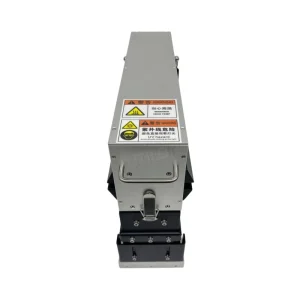
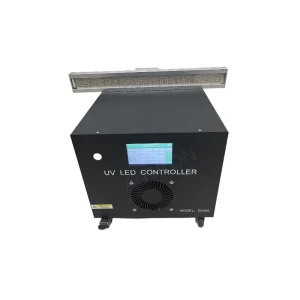
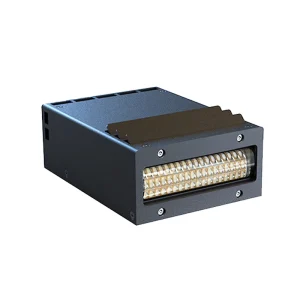
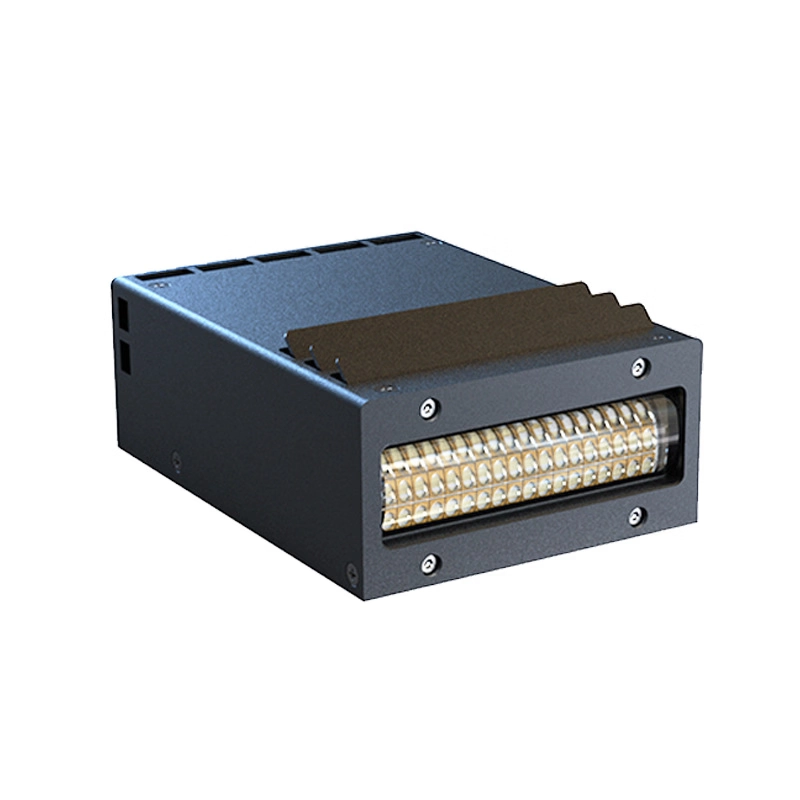
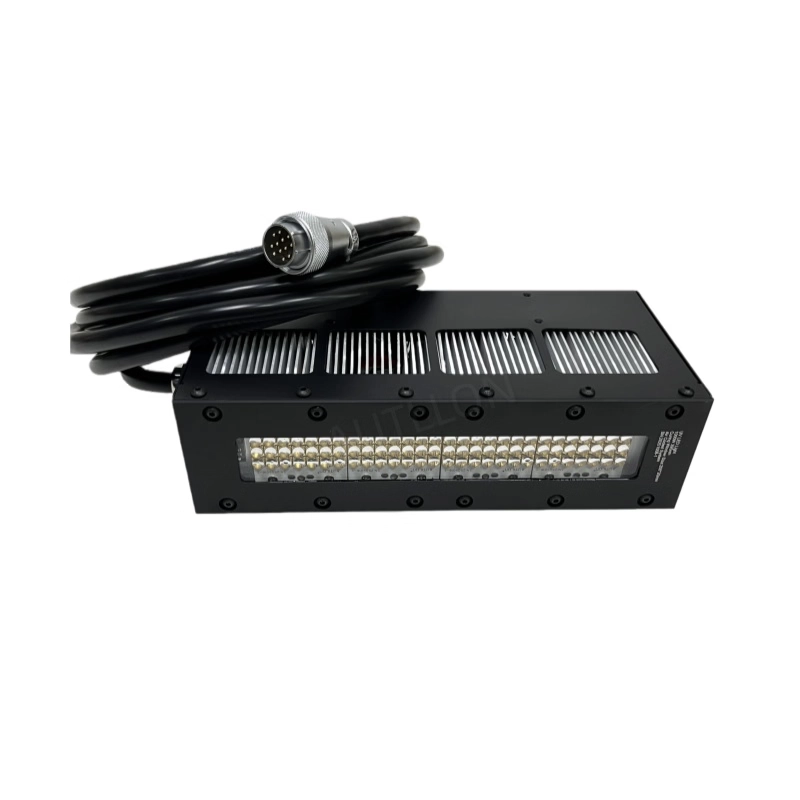
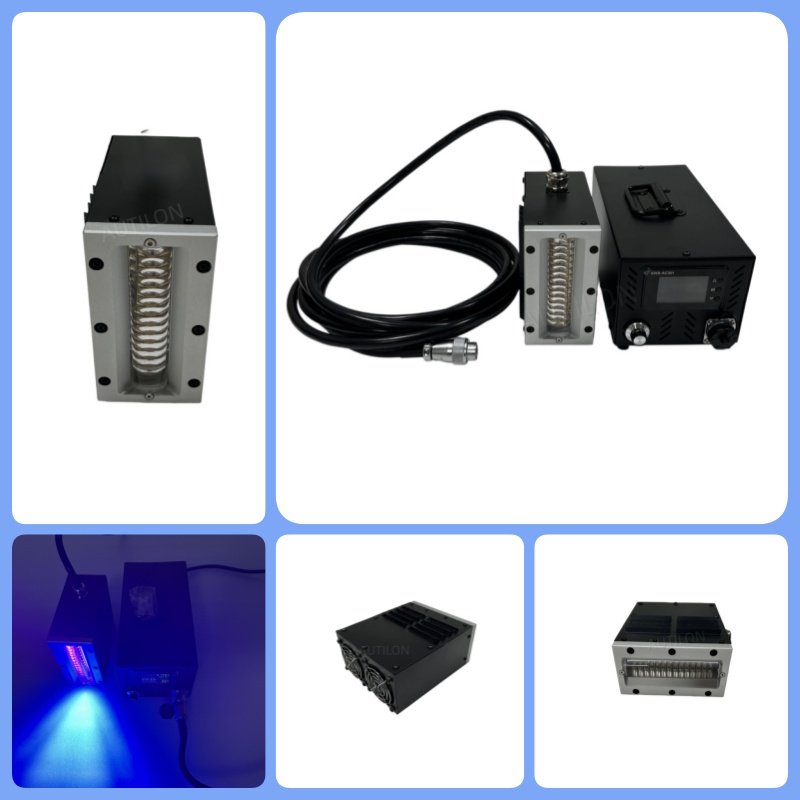
Depending on the process, buyers may choose a compact UV LED spot light, a flood curing lamp, a line light, a conveyor curing system, a portable UV LED lamp, or a customized module. The best option depends on curing area, line speed, product size, fixture design, and whether the lamp will be used manually or integrated into equipment.
For narrow or precise areas, a spot light or small-area module can reduce unnecessary exposure. For wider surfaces, a line light or flood lamp may provide better coverage. For batch work, a chamber-style setup can make exposure more consistent. For repair or rework, a portable lamp is often more practical than a fixed system.
Prouvled can review your curing width, material type, exposure target, and installation limits to recommend a suitable configuration. See the UV LED curing product range or review the recommended Prouvled solution when comparing equipment options.
Testing Before Production Approval
Before approving uv led curing for packaging printing for production, run a controlled test with the actual material and process conditions. Record wavelength, lamp model, working distance, exposure time, line speed, material thickness, ambient conditions, and final surface result. Keep the sample record simple enough that operators and suppliers can repeat it.
Check the cured result from several angles: surface tack, adhesion, hardness, color change, heat effect, shadow areas, and consistency across the curing width. If the result is uneven, adjust only one parameter at a time. Changing wavelength, distance, speed, and lamp power at the same time makes troubleshooting harder.
For purchasing teams, testing also helps compare suppliers. Instead of asking only for wattage and price, ask for the recommended wavelength, effective curing area, cooling method, expected working distance, and whether the lamp can be customized for your equipment layout.
Common Mistakes to Avoid
One common mistake is selecting a lamp only by nominal power. Power matters, but what reaches the material is affected by optics, distance, and curing width. Another mistake is using one sample result as proof for every material. Different coatings, inks, adhesives, and resin systems may need different wavelengths or exposure levels.
Buyers should also avoid copying another production line without checking installation details. A lamp that works well at one distance or line speed may not perform the same way in another machine. This is why drawings, photos, and sample testing are valuable during the RFQ process.
For more general background, this article can be read together with neutral background on UV curing. For supplier-specific recommendations, use the contact Prouvled for application support page and send your material and process details.
RFQ Checklist for uv led curing for packaging printing
- Material type, brand, and recommended curing wavelength if available.
- Curing area, product size, and required curing width.
- Line speed or manual exposure time target.
- Working distance and available installation space.
- Cooling preference, power supply limits, and control method.
- Photos, drawings, or videos of the current production process.
With these details, Prouvled can help narrow the options and recommend a UV LED curing lamp, spot light, portable lamp, conveyor system, chamber setup, or custom UV LED curing solution for review.
FAQ
Is uv led curing for packaging printing suitable for every material?
No. The material must respond to the lamp wavelength. Always confirm compatibility with the ink, coating, adhesive, or resin supplier and test real samples before production approval.
How many images or samples should be checked?
For a reliable decision, test more than one part or sample position. Check the center and edges of the curing area, especially when the application uses a wide lamp or irregular product shape.
Can Prouvled customize the curing solution?
Yes. Share your material, curing width, line speed, working distance, and installation space. Prouvled can recommend or customize a UV LED curing solution for your process.